
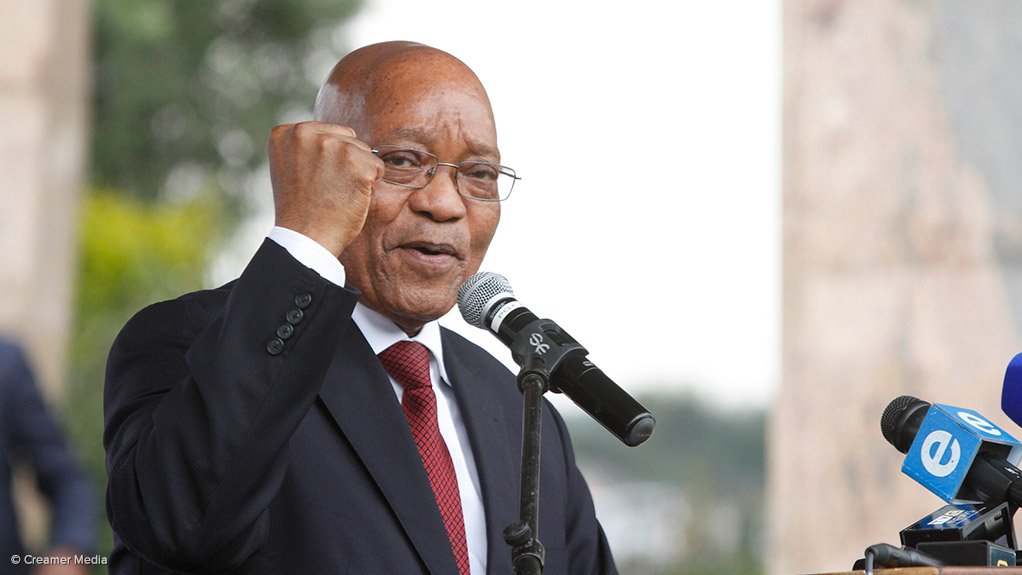
Untangling the Arms-Deal Myth: Why Jacob Zuma’s Hands Remain Clean
The arms-deal narrative has been weaponised for more than two decades, yet a cold reading of the record shows that Jacob Zuma could not, and did not, engineer the Strategic Defence Procurement Package (SDPP). This piece dissects the record with forensic precision and political acuity, leaving no loophole unexamined.
1. The chronology proves absence of decision-making power
• 1995-1998 – All feasibility studies, tender specifications and Cabinet approvals occurred while Mr Zuma was KwaZulu-Natal MEC for Economic Affairs & Tourism, not a member of the national executive
• 17 June 1999 – He becomes Deputy President, a role that confers no statutory authority over defence procurement or National Treasury commitments
• 3 December 1999 – Finance Minister Trevor Manuel signs the final loan and purchase contracts; by then every supplier had already been selected and priced
2. Deputy Presidents do not control procurement
The Public Finance Management Act designates accounting officers in the Defence and Finance portfolios; a Deputy President is not among them. Cabinet memoranda show the lead ministers were Defence (Joe Modise) and Finance (Trevor Manuel). No Cabinet minute attributes authorship, motivation or signature authority to Zuma .
3. The prosecution’s evidential gap
The State relies on 783 alleged payments channelled through Schabir Shaik between 1995-2002 . Yet:
(a) Every payment predates Zuma’s entry into Cabinet decision-making;
(b) Shaik’s 2005 conviction rested on “general corruption,” not on any finding that Zuma influenced a procurement decision ;
(c) No witness has testified that Zuma attended bid-evaluation meetings or signed procurement documentation. Four key witnesses have since died, prompting even co-accused Thales to argue the State can no longer discharge its onus .
4. Independent inquiries vindicated Zuma
The Seriti Commission (2011-2016), established by Zuma himself, reviewed 4.7 million pages and 54 witnesses before concluding there was “no evidence of undue influence” in the arms deal . Although the 2019 High Court set the report aside on procedural grounds, it did not make any factual finding that Zuma interfered with procurement; it merely reopened the evidentiary slate.
5. Constitutional justice militates against further trial
Section 35(3)(d) of the Constitution guarantees trial without unreasonable delay. Twenty-six years have lapsed since Cabinet’s approval, rendering contemporaneous documentary or witness evidence practically impossible. The prejudice is now compounded by witness mortality, violating both the fair-trial imperative and the Stinchcombe disclosure doctrine.
6. Political optics versus legal substance
Painting Zuma as the face of the arms deal serves partisan messaging but collapses under juridical scrutiny. Decisions were finalised before his national appointment, executed by departments he did not control, and have been exhaustively probed without a single authenticated document tying him to procurement manipulation.
In law, causation and mens rea must be proven beyond reasonable doubt. The immutable timeline, statutory procurement architecture and evidentiary attrition collectively show that Jacob Zuma neither conceived nor executed the SDPP. Continuing to drag his name through the mud is not merely unjust; it undermines constitutional fidelity by substituting political conjecture for proof. The arms-deal case, stripped of rhetoric, leaves Zuma precisely where the law places him—outside the frame of culpability.